
John Steinbeck has always been central to Salinas’s identity, but 2026 gives readers another reason to look at the city through his work. Netflix has announced that all seven episodes of a new limited-series adaptation of East of Eden will stream globally in fall 2026. The series, led by Florence Pugh as Cathy Ames and written and executive produced by Zoe Kazan, is expected to introduce the novel to viewers who may never have read it or visited the Salinas Valley.
That renewed attention creates an opportunity for Salinas, but it also requires accuracy. The series was filmed in New Zealand, not in Salinas, so visitors should not expect to tour production locations here. What Salinas offers is more meaningful: the landscape, family history, institutions and local landmarks connected with Steinbeck’s life and imagination. A literary trip should therefore focus on context rather than trying to match every fictional scene to a modern address.
This guide explains how to build a practical Steinbeck-focused day in Salinas, what can be visited, what requires advance planning and where literary history becomes more complicated than a quick photo stop. Readers can also explore the things to do in Salinas guide and the local-history section for related coverage.
Start With the Two Essential Steinbeck Stops in Salinas
The National Steinbeck Center and the Steinbeck House are the strongest starting points because they serve different purposes. The center provides the larger interpretive story through exhibits and archival material. The house offers a physical connection to Steinbeck’s childhood and to the neighborhood where his family lived. They are about two blocks apart, making it practical to visit both without turning the day into a driving itinerary.
Use the National Steinbeck Center to Build Context First
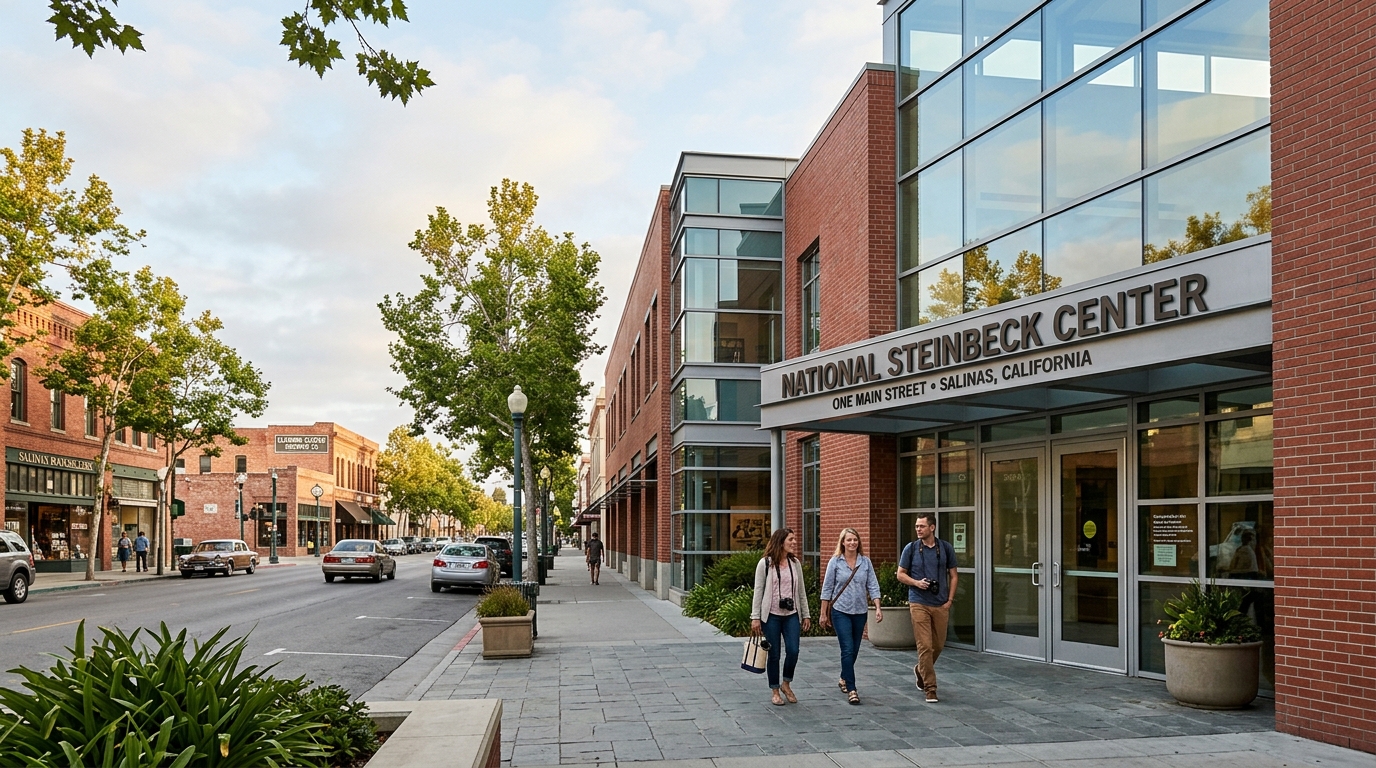
The National Steinbeck Center is located at 1 Main Street in downtown Salinas. Its museum follows Steinbeck’s life, writing, social concerns and relationship with the landscapes and working communities that shaped his books. The center also maintains archives, offers educational programs and presents material related to novels including East of Eden, Of Mice and Men and The Grapes of Wrath.
Check Current Hours and Admission Before Arriving
The center’s current visitor page lists daily hours from 10 a.m. to 5 p.m., with closures on several major holidays. Listed admission is $15 for adults, $13 for seniors, students, teachers, veterans, retired military personnel and Monterey County residents, and $7 for children ages 6 through 17. Children age 5 and younger and members are listed as free. Prices and hours can change, so check the official National Steinbeck Center visitor page before making a time-sensitive plan.
Allow at least 90 minutes for a first visit, and more if you enjoy reading exhibit text closely. A rushed walk-through can reduce Steinbeck to a collection of famous book titles. The museum is more useful when visitors pay attention to the tension in his work: affection for the valley alongside criticism of poverty, displacement, labor conditions and unequal power.
Do Not Treat the Museum as the Whole Salinas Story
The center is an important cultural anchor, but Salinas is not a literary set preserved in one historical period. Downtown now includes restaurants, public art, businesses and community spaces that belong to the present city. Visitors should avoid photographing residents as though they are part of an exhibit or assuming that modern neighborhoods exist only to illustrate a novel.
After the museum, spend time walking downtown with ordinary awareness. Use public sidewalks, respect private property and support places that are actually open rather than following an old travel article. The future Salinas neighborhood guides will add verified routes and context without turning residential streets into attractions.
Visit the Steinbeck House With a Reservation Plan
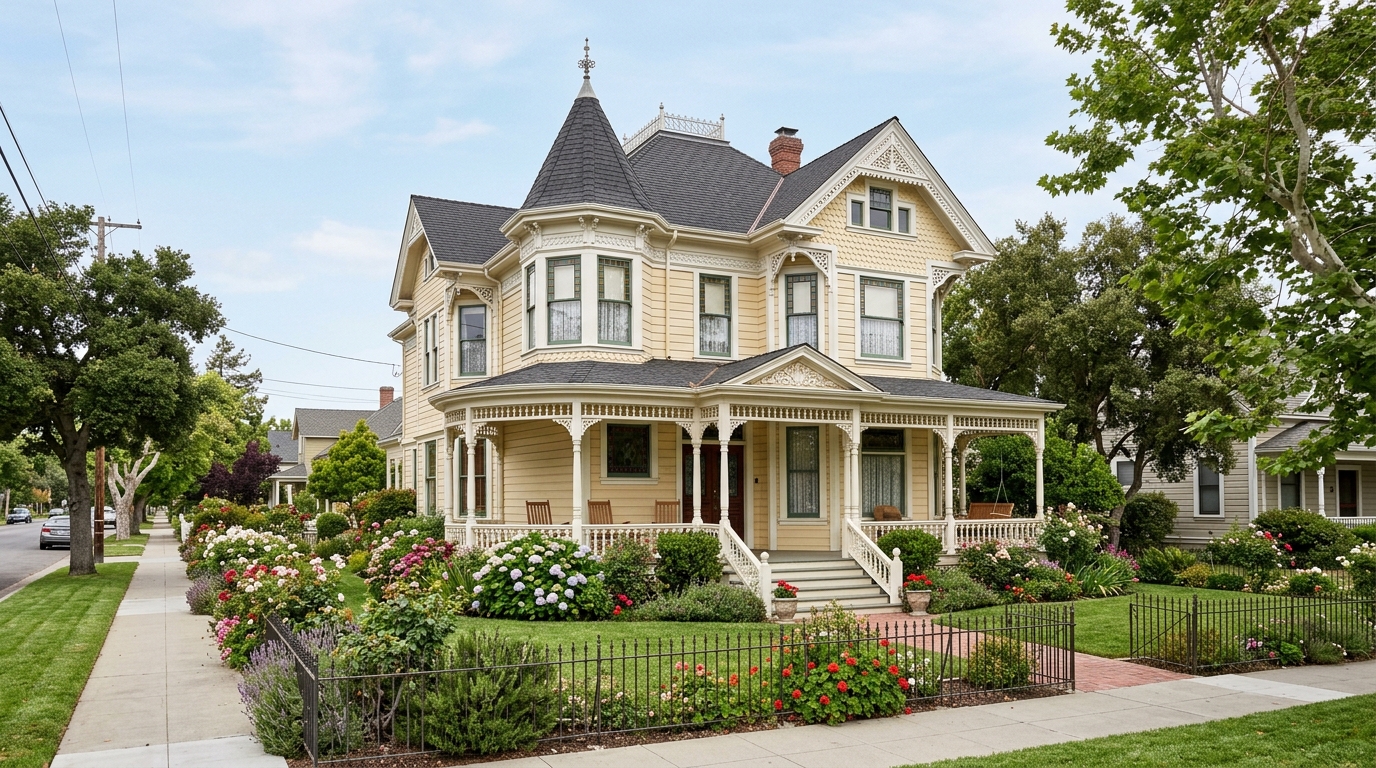
The Steinbeck House at 132 Central Avenue is the restored Queen Anne-style home where Steinbeck was born and raised. The house was built in 1897, purchased by the Steinbeck family in 1900 and later restored by the Valley Guild. It now operates as a lunch restaurant and includes the Best Cellar gift shop.
The restaurant currently serves lunch Tuesday through Saturday, while the gift shop lists Tuesday-through-Saturday hours from 11 a.m. to 3 p.m. The house recommends calling for reservations, and special tours follow their own schedules. Visitors should check the official Steinbeck House website rather than assuming the restaurant, gift shop and house tours are available at the same times.
Lunch and a House Tour Are Different Experiences
Eating in the house provides atmosphere and supports the nonprofit organization that maintains it, but a restaurant reservation does not automatically guarantee a full historical tour. The Valley Guild currently advertises seasonal Sunday tours and reservation-based Third Saturday tours. Some special tours include all three levels of the house, while ordinary restaurant access may be more limited.
For summer 2026, the house announced free Sunday tours on selected dates in July, August and early September. That schedule is timely and should not be copied into an evergreen itinerary without checking for updates. Tour capacity, accessibility and access to upper floors may also affect individual visitors. Call ahead if stairs, mobility or group size are important considerations.
Build a Literary Day Without Inventing a Steinbeck Theme Park
A useful itinerary connects the museum and house with public landmarks, downtown history and the wider valley, but it should be realistic about what remains. Buildings change, private homes are not open attractions and fictional locations do not always correspond to one exact site. The Salinas Public Library’s literary-landmarks resource is a better foundation than an unsourced map because it identifies addresses and explains the documented connection behind each place.
Choose a Few Public Landmarks Instead of Chasing Every Reference
After the two main stops, consider the John Steinbeck Library at 350 Lincoln Avenue, which carries his name and includes a Steinbeck statue on the lawn. The city library’s literary-landmarks guide also identifies former building sites, churches, residences and other places connected with Steinbeck or with characters and events that informed his writing.
Not every address should be approached in the same way. A public library, museum or marked civic site welcomes visitors during posted hours. A private residence should usually be viewed only from a public sidewalk, without blocking access, entering yards or photographing people through windows. Some historic buildings no longer exist, so the value of the stop may be the documented story rather than a visually impressive structure.
Let the Valley Add Meaning, Not Just Scenery
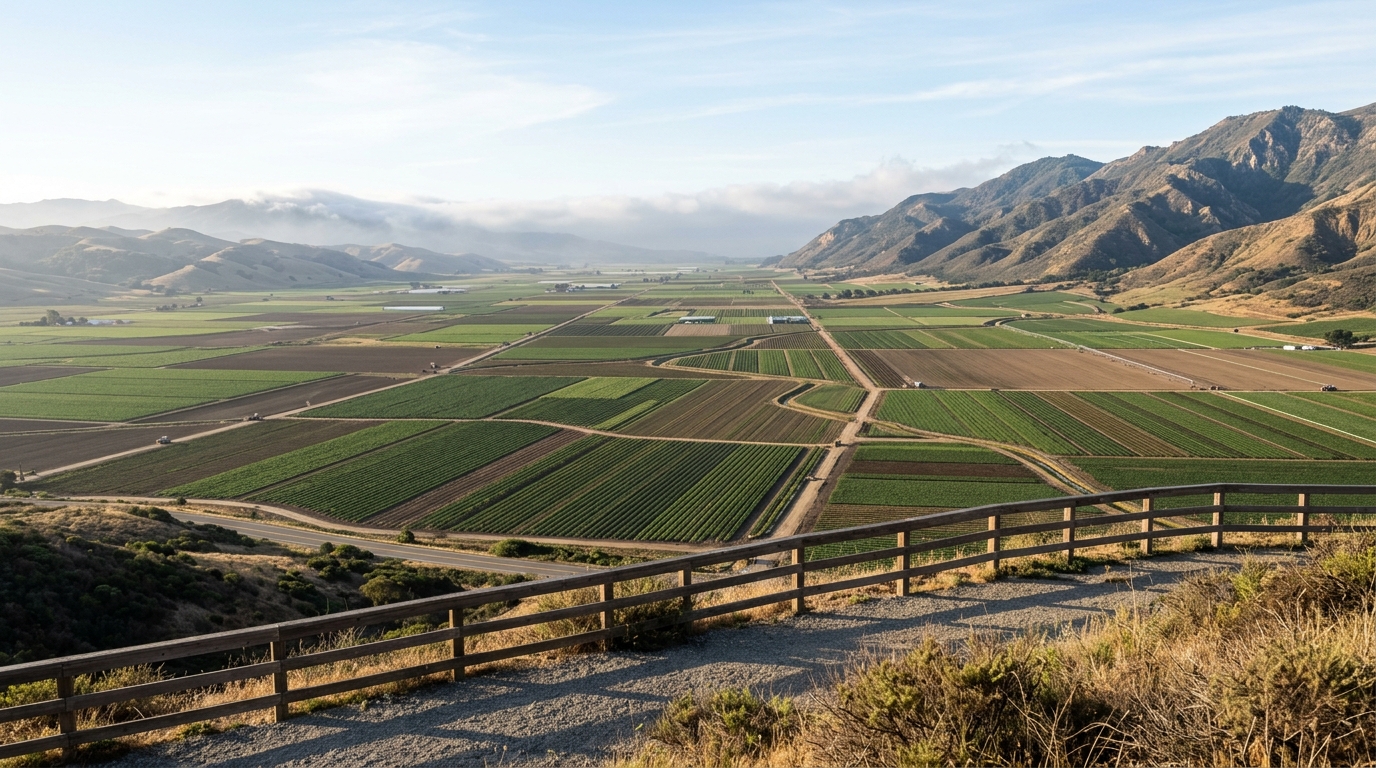
East of Eden opens with an extended description of the Salinas Valley, and the region’s geography remains essential to understanding the novel. Yet a scenic drive alone does not explain Steinbeck. The valley is also a working agricultural region shaped by labor, water, technology, migration and changing markets. Read the landscape alongside current life rather than treating fields and workers as background decoration.
The 2025 Monterey County Crop Report guide provides current agricultural context that a literary itinerary often misses. Visitors should use legal viewpoints and public roads, avoid stopping on narrow shoulders and never enter fields or farm facilities without permission.
The new Netflix series may increase curiosity about East of Eden, but screen attention is not proof that visitor numbers, museum attendance or local spending have already increased. Those outcomes would require later data. What is confirmed is that the adaptation is scheduled for global release in fall 2026 and places new promotional attention on Steinbeck’s novel.
A strong one-day
A strong one-day plan is simple: visit the National Steinbeck Center in the morning, reserve lunch or another scheduled experience at the Steinbeck House, then choose one or two public literary landmarks. Leave time for downtown rather than racing through a checklist. Add a valley drive only when road conditions, daylight and your schedule allow it.
Before traveling, verify museum hours, house reservations, tour dates and holiday closures. Travelers combining the literary stops with other local activities can use the Salinas Weekend Guide and the food and drink guide. Salinas Stories will update this article when the Netflix release date becomes more specific or the local institutions publish new visitor information.
Steinbeck travel is most rewarding when it leads to closer reading rather than nostalgia alone. Salinas can help visitors understand where the author came from, but the modern city should be encountered on its own terms. The museum, childhood home, library, downtown and working valley together offer a richer experience than any attempt to recreate a fictional version of the past.