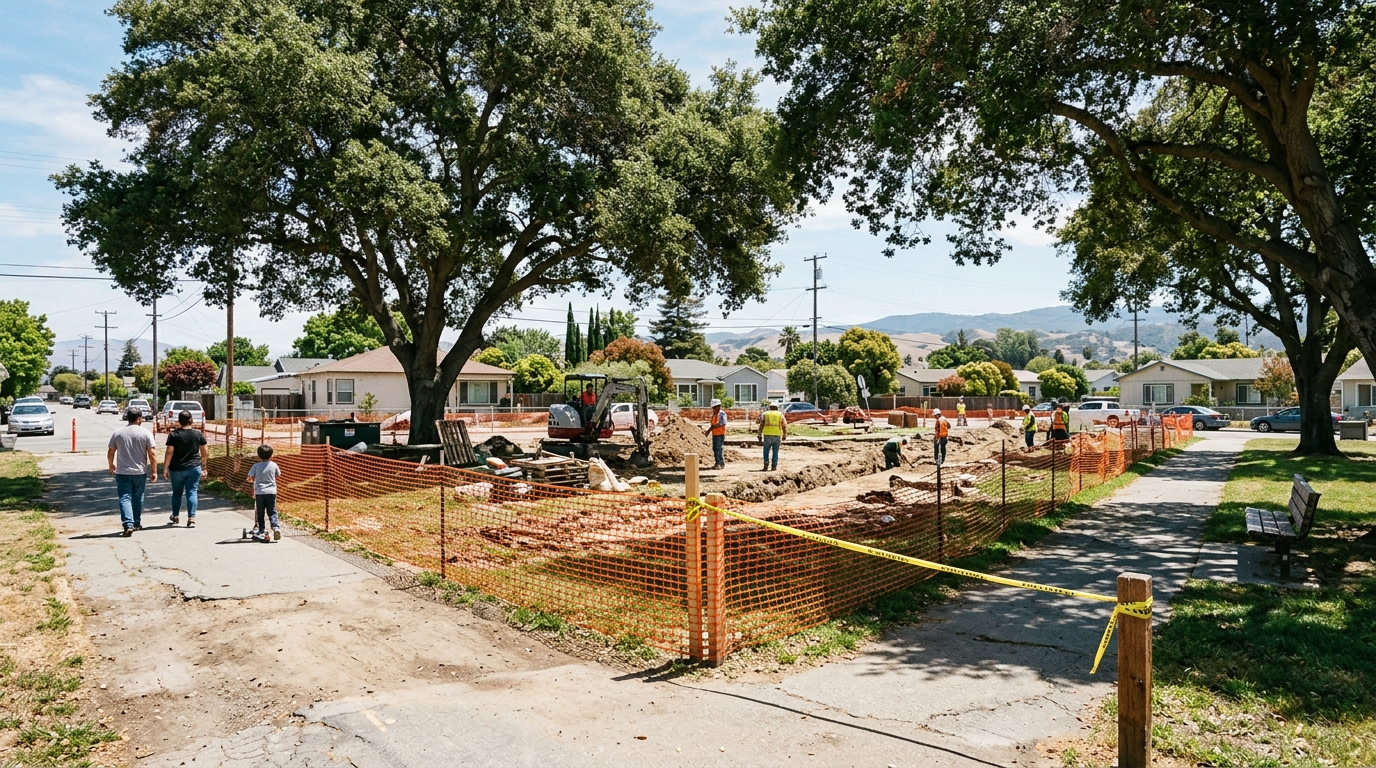
Closter Park is one of the most important neighborhood gathering places in East Salinas, and its revitalization has drawn attention because the project affects recreation, accessibility, youth activities and everyday use of public space. City materials describe a substantial set of improvements, including work on restrooms, the concession stand, baseball facilities, fencing, landscaping, safety features and a new skate area. The project is therefore more than a cosmetic refresh. It is intended to repair aging facilities and expand the ways residents can use the park.
The most responsible way to cover the project in 2026 is to separate confirmed scope from changing schedule information. A City of Salinas project update published in 2025 said construction was expected to last approximately 18 months and anticipated a fall 2026 opening. However, a June 2026 city budget document also listed the Closter Park revitalization among completed priorities. Those records may reflect different reporting cutoffs, construction milestones or administrative definitions of completion. Before planning a visit around a reopening date, residents should check the city’s latest park notice rather than relying on an older timeline.
This guide separates documented work from changing schedule information. For broader coverage, visit the Salinas parks and outdoors guide and the Salinas city projects section.
What Is Confirmed About the Closter Park Project
The strongest available description comes from official City of Salinas materials. The city’s adopted capital improvement budget identifies Closter Park as a project that started during the 2024–2025 fiscal year. It describes renovations and additions across several parts of the park rather than one isolated construction task. The city also tied the work to a broader effort to improve recreation facilities and address accessibility and safety needs.
The city’s 2025 announcement said funding combined local, state and federal sources, including Proposition 68, American Rescue Plan Act funds and city money. It also credited community engagement with supporting the grant application.
The Documented Scope Goes Beyond Landscaping
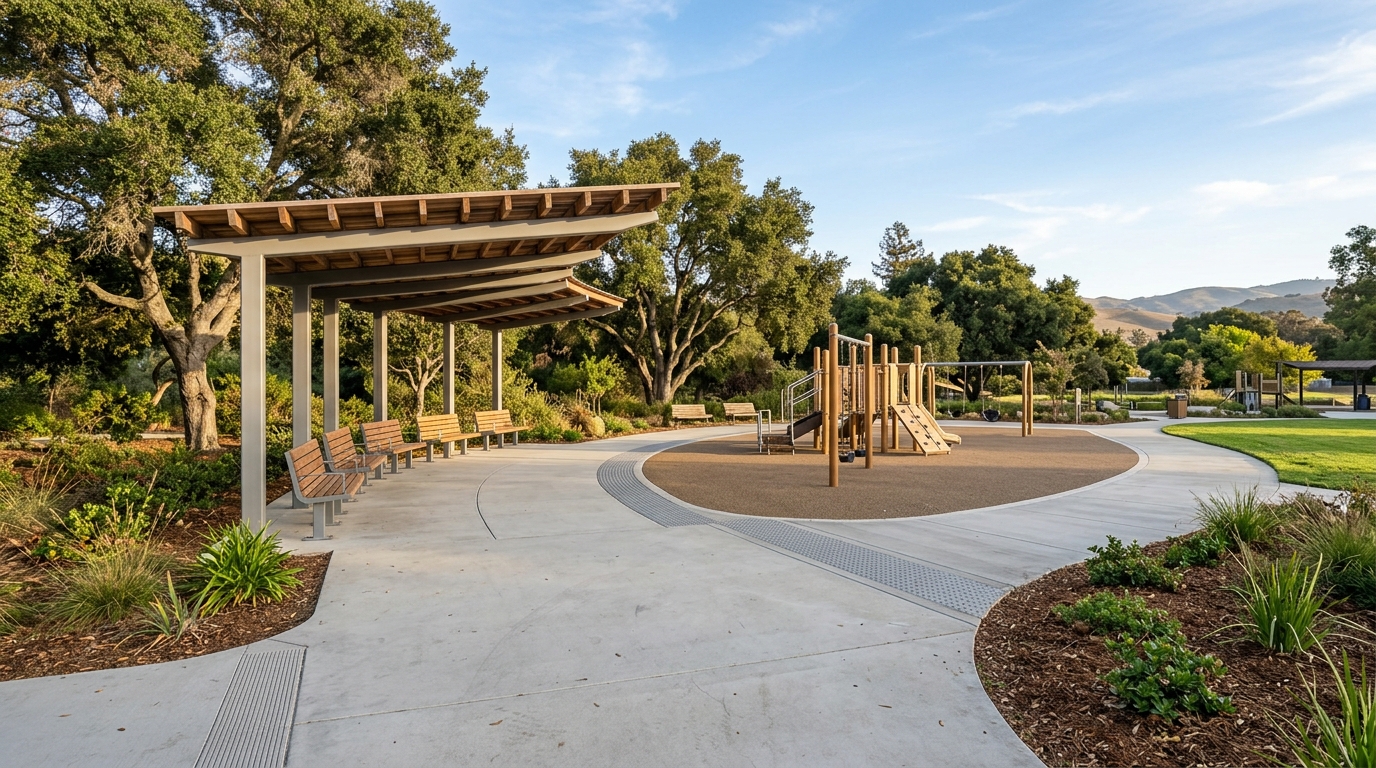
According to the city’s capital improvement budget, the project includes renovation of an existing restroom and concession stand, installation of another restroom, a skate area, repairs to chain-link fencing and baseball backstops, new plantings, dugouts, batting cages, and additional accessibility and safety work. The budget also refers to other repairs and refurbishment, which signals that the final construction package may contain smaller supporting improvements not summarized individually in the overview.
Confirmed Improvements Residents Can Watch For
When access is restored, residents can compare the visible work with the city’s published scope. Restroom access, the condition of baseball infrastructure, safer circulation and the usability of the skate area are practical details that affect whether the park works well day to day. New landscaping can improve the setting, but functional questions are equally important: Are routes easy to navigate? Can families reach the facilities comfortably? Are repaired fences and backstops in good condition? Do the improvements serve different age groups?
The official City of Salinas capital improvement budget provides the clearest consolidated list of planned work. It should be treated as a scope reference, not as proof that every item is open and available on a particular day.
Why the Timeline Still Needs Verification
The city’s earlier announcement anticipated that construction would begin in April 2025, continue for about 18 months and lead to an opening in fall 2026. Construction schedules can change because of weather, inspections, utility coordination, material availability, contractor sequencing or final safety reviews. A later city budget document described the project as completed, but that wording does not by itself establish the public opening date or confirm that every area is accessible.
This is a good example of why local project reporting needs dates and source labels. “Expected to open,” “construction substantially complete,” “administratively completed” and “open to the public” do not always mean the same thing. Salinas Stories will update this article when a current public opening notice can be confirmed. Our approach to changing information is explained on the sources and fact-checking page.
Why Closter Park Matters to the Alisal
Closter Park is not simply a destination people drive across town to visit. It is a neighborhood park used for recreation, organized sports, informal gatherings and community life. Planning documents for the Alisal have described it as a popular gathering place, which helps explain why prolonged construction or limited access has an immediate local effect. When a heavily used park is unavailable or partially restricted, families may need to travel farther, adjust practice schedules or rely on smaller spaces that do not offer the same facilities.
The improvements also connect with a larger question facing many cities: how to invest in existing neighborhoods without treating public-space upgrades as decorative projects. Restrooms, safe paths, usable sports facilities and accessible design determine whether a park is genuinely welcoming. These features are less visually dramatic than a landmark structure, but they often have more influence on a resident’s experience.
A Community Park Must Work for Different Users
A revitalized park should function for children, teenagers, adults, older residents, athletes, spectators and people with disabilities. The documented mix of baseball improvements, a skate area, restrooms, landscaping and accessibility work suggests an effort to support several types of use. The real test will be how those features operate together once the park is publicly accessible.
A skate area can provide a dedicated place for an activity that otherwise happens in parking lots or on sidewalks. Baseball repairs can support leagues and practices. Accessible routes and restrooms can reduce barriers. Residents should also expect clear rules, hours and maintenance contacts.
Readers exploring the wider area can use the future Salinas neighborhood guides to connect parks with nearby public art, libraries, walking routes and community services. These guides will avoid presenting neighborhoods as tourist products and will clearly distinguish public facilities from private businesses.
How Residents Can Plan Around the Project and Follow Reliable Updates
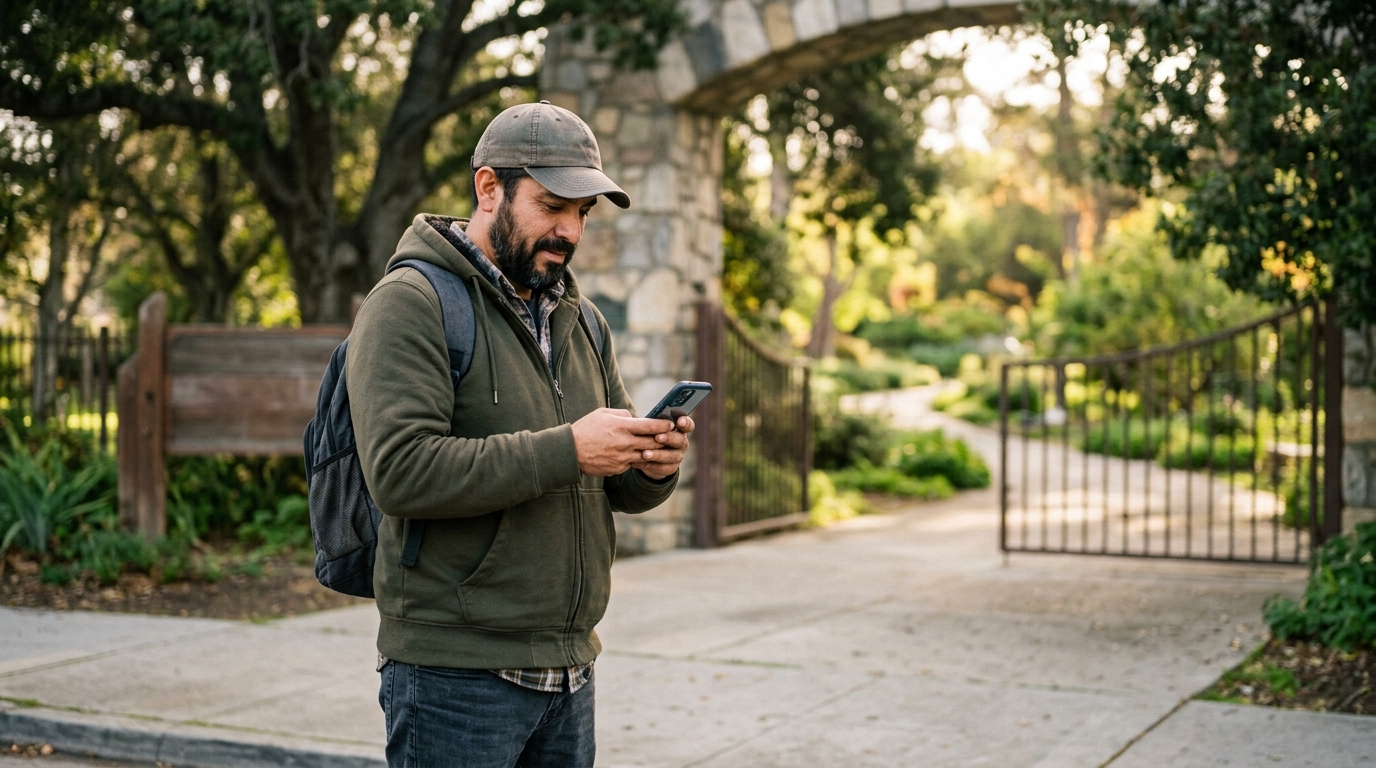
Because the available city records use different status language, the safest approach is to verify access shortly before visiting. Do not assume that an expected opening month means every field, restroom or activity area will be available at the same time. Large park projects may open in phases, and temporary restrictions can continue while crews complete inspections, landscaping or final corrections.
The City of Salinas Recreation and Parks division is the appropriate source for operating information, reservations and official facility notices. The city’s project announcement is useful background, while current event listings, park pages or direct department updates are better for day-of planning. Residents organizing practices, gatherings or group visits should confirm whether permits or reservations are required rather than relying on social-media posts alone.
Practical Steps Before Your First Visit
Start by checking the official Salinas Recreation and Parks page and the city’s Closter Park revitalization update. Look for a publication or update date, because an unchanged page may still show an earlier projection. Confirm the park’s operating hours, open entrances and any rules for fields, the skate area or organized activities.
For a family visit, check restrooms, shade, seating, parking and accessible routes. Sports groups should confirm reservation requirements, while skaters should look for posted safety rules and operating hours.
Use Current Notices, Not Renderings or Assumptions
Images can create confusion during a public project. A concept image, architectural rendering or AI-generated visualization does not prove that a feature was built exactly as shown. Any future-looking visual used by Salinas Stories will carry the label “Conceptual visualization—not an official rendering.” Documentary photographs will be dated when timing matters, and captions will identify whether an image shows construction, an existing facility or a completed improvement.
After the park is confirmed open, a useful community review should focus on observable conditions rather than instant rankings. Residents can document whether promised facilities are available, whether accessibility features work as intended and whether maintenance information is easy to find. Concerns should first be reported through official city channels so staff have a chance to respond. If a published Salinas Stories article contains an error, readers can use the corrections policy to request a review.
Closter Park’s revitalization is significant because it brings multiple infrastructure and recreation improvements into one neighborhood space. The published scope is substantial, but the exact public-access status should be confirmed through a current city notice. Once that confirmation is available, the park can be included in the Salinas Weekend Guide with accurate hours, practical access information and clearly dated observations.